6 Best Upholstery Cleaner Machines (October 2026)
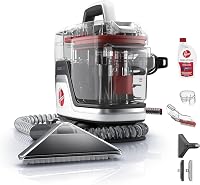
The best upholstery cleaner machines include the Shark StainStriker PX202BRN for varied upholstery jobs, the Hoover CleanSlate Plus for quick cleanup routines, and the Hoover CleanSlate XL for longer cleaning sessions.
On this page (7 sections)
- Which upholstery cleaner machines fit different jobs?
- How do you choose the best upholstery cleaner machine?
- What should you check before wet-cleaning upholstery?
- How should you set up and clean a couch?
- Which upholstery cleaning mistakes should you avoid?
- How do you keep an upholstery cleaner ready for the next spill?
- Which upholstery cleaner machine should you choose?
The best upholstery cleaner machine for most couch, stair and car spots is the Shark StainStriker PX202BRN. Its four tools cover broad fabric areas, crevices and pet messes without the bulk of an upright carpet cleaner.
Choose the Hoover CleanSlate Plus if rinsing the hose after a small spill matters most. Move to the CleanSlate XL for longer sessions, or consider HydroSteam when you have compatible surfaces that call for its extra modes.
Start with your furniture’s care instructions, then choose the machine. A cleaner that fits your storage space and cushion seams is more useful than extra features you cannot safely use.
For the wider category, see our portable carpet cleaner guide. Before wet-cleaning furniture, read how to use a carpet cleaner on a couch to check fabric and moisture limits.
Our picks at a glance
-
1

-
2

-
3

- 4
 Check it
Bissell Little Green HydroSteam
Best for mixed surface chores - 5
 Best for carpeted family homesCheck it
- 6
 Best for pet hair householdsCheck it
Which upholstery cleaner machines fit different jobs?
The PX202BRN fits varied spot jobs, the CleanSlate Plus favors short cleanup routines, and the XL suits several items in one session. HydroSteam adds cleaning modes, CarpetXpert adds upright carpet care, and the PX206BRN includes a pet hair tool.
GladSwap compared attachment choices, capacity, carrying demands and intended surfaces to rank these picks. The order favors upholstery spot cleaning, so a machine built for whole-room carpets can be useful without placing first here.
Shark StainStriker PX202BRN: Best for varied upholstery jobs
- Four specialized tools
- 8.5 lb machine weight
- Two formulas mix on contact
- For upholstery, stairs and cars
A broad tool set suits homes where spills happen on different fabric surfaces. Choose it for cushions, tight spaces and pet messes rather than whole-room carpet cleaning.
Pros
- Wide and narrow cleaning tools
- Lighter than both Hoover picks
- Includes a pet mess extractor
Cons
- Portable format is slow for whole-room carpets
- Requires the correct paired cleaning formulas
The Shark StainStriker PX202BRN is the strongest starting point if your jobs change from one week to the next. Its set includes a crevice tool, a smaller stain tool, a wide stain tool and a pet mess extractor.
That range matters when you move from a flat cushion to a narrow chair gap. A wide head helps cover open fabric, while a smaller head gives you more control near edges and seams.
The machine weighs 8.5 lb, which makes it lighter than both Hoover models here. Its paired formulas activate on contact without premixing, so follow Shark’s filling directions rather than combining cleaners yourself.
Buy it for a mix of upholstery, carpeted stairs and car spots. Skip it if your main task is washing whole carpeted rooms, where a handheld cleaning path means much more work.
It also suits buyers who prefer several purpose-made attachments over steam modes. Store the tools together so the one you need is ready when a spill happens.
For a separate walkthrough of a common portable cleaner, see our Bissell Little Green use guide.
Hoover CleanSlate Plus: Best for quick cleanup routines
- 7 in WidePath tool
- TightSpot tool
- Hose rinse tool
- 40 fl oz clean solution capacity
Broad and narrow cleaning tools cover everyday spills, while the hose rinse attachment helps with cleanup afterward. It suits shorter jobs better than long furniture-cleaning sessions.
Pros
- Dedicated hose rinse attachment
- Tools for open areas and crevices
- Separate clean and dirty water tanks
Cons
- Smaller tank capacity than the CleanSlate XL
- No dedicated pet tool in this set
The Hoover CleanSlate Plus suits buyers who want a straightforward routine from spill removal through machine cleanup. Its hose rinse tool flushes fresh water through the system to help clear leftover dirt.
The cleaning attachments cover two common needs: a 7 in WidePath tool for open areas and a TightSpot tool for crevices. That is a useful pairing for a seat cushion followed by the narrow space beside an armrest.
Its clean solution tank holds 40 fl oz, with dirty water collected separately. This is a sensible size for occasional spots, though several chairs or a full set of cushions can require refill breaks.
Choose it if short jobs are your usual workload and you value a clear hose-cleaning step. Skip it if you expect to work through several furniture pieces without stopping, or specifically want a dedicated pet attachment.
Plan to rinse the tools as well as the hose. A rinse attachment helps with maintenance, but it does not replace emptying the dirty tank and clearing trapped fibers.
Our portable spot cleaner guide covers more options for targeted spills.
Hoover CleanSlate XL: Best for longer cleaning sessions
- 96 fl oz tank capacity
- 7 in WidePath tool
- TightSpot and pet tools
- Hose rinse tool
The larger tank suits several cushions or chairs in one session. Choose it when fewer sink trips matter more than carrying the lightest machine.
Pros
- Large tank for longer jobs
- Includes a dedicated pet tool
- Hose rinse attachment
Cons
- Heavier than the CleanSlate Plus
- More capacity than occasional small spills require
The Hoover CleanSlate XL fits buyers who save several cleaning jobs for one session. Its 96 fl oz tank capacity makes it the capacity-focused choice over the CleanSlate Plus.
It pairs a wide cleaning head with TightSpot and pet tools, plus a hose rinse attachment. You can choose a head for the surface rather than force a broad tool into a tight gap.
The machine weighs 11 lb before you account for the water you carry. If the sink is on another floor, plan where to fill and empty it before starting.
Buy the XL for a group of dining chairs, several compatible cushions or a longer mix of furniture and carpet spots. Skip it for occasional tiny spills if a smaller machine would be easier to store and bring out.
A larger tank should reduce interruptions, not encourage extra spraying. Work in sections and extract moisture before moving on, even when plenty of solution remains.
If storage space matters more than capacity, compare the best portable carpet cleaners before choosing.
Bissell Little Green HydroSteam: Best for mixed surface chores
- SteamWash, Steam and Wash modes
- 5 in Tough Stain Tool
- Multi-Surface Tool
- 64 oz clean tank capacity
Separate modes serve compatible upholstery, oily messes and other cleaning tasks. Its Multi-Surface Tool adds tile and grout work for buyers who want more than fabric spot cleaning.
Pros
- Three cleaning modes
- Tool for compatible hard surfaces
- Dual-tank system
Cons
- Heavier than both Hoover picks
- Steam requires a separate fabric compatibility check
The Bissell Little Green HydroSteam fits households with several compatible cleaning tasks, including some beyond upholstery. Its SteamWash, Steam and Wash modes give it a different role from the simpler spot cleaners here.
Bissell recommends SteamWash for tough oily messes, Steam for refreshing compatible upholstery and cleaning tile and grout, and Wash for stains such as pet accidents. Match the mode to both the mess and the surface instructions.
The machine includes a 5 in Tough Stain Tool, a Multi-Surface Tool and a 64 oz clean tank. Its weight is 13 lb, so carrying convenience is a reason to favor a lighter pick.
Buy it when you have a clear use for the extra modes and hard-surface tool. Skip it if your furniture rules out steam and your only need is occasional water extraction.
Bissell says upholstery can dry in about 30 minutes, but leave room for longer drying on thick cushions or in humid rooms. Confirm the fabric is dry before using it again.
For care principles after a job, see how to clean a Bissell Little Green after use and follow this model’s own instructions.
Shark CarpetXpert EX201: Best for carpeted family homes
- Upright carpet cleaning
- Built-in handheld spot cleaner
- Three specialized tools
- Dual tank system
An upright carpet cleaner with a built-in spot cleaner suits homes that need both floor and furniture care. Its size makes less sense for buyers cleaning only occasional couch spills.
Pros
- Covers carpets and upholstery
- Built-in spot cleaning tools
- Separate clean and dirty water
Cons
- Heaviest machine in this group
- Needs upright storage space
The Shark CarpetXpert EX201 makes sense when furniture cleaning is part of a larger carpet-care job. It combines an upright cleaner for carpets and area rugs with a built-in handheld spot cleaner for upholstery and stairs.
In upright mode, a brushroll, spray and suction handle the floor-cleaning work. The handheld setup and three specialized tools let you switch to smaller areas without buying a separate spot machine.
At 18.1 lb, it is the heaviest pick here. That weight and its upright shape matter if you need to carry it between floors or keep it in a small closet.
Buy it for a carpeted home where both room cleaning and furniture spills are regular tasks. Skip it if you mostly clean car seats, a single armchair or occasional couch marks.
For upholstery, judge the handheld setup by how comfortably you can position the base near the work. Avoid planning a setup that requires pulling the machine around by its hose.
Our guide to choosing an upholstery cleaner machine explains how to match the format to your furniture.
Shark StainStriker PX206BRN: Best for pet hair households
- Three included tools
- Pet hair attachment
- Dual-activated cleaning solution
- No formula premixing required
The pet hair attachment gives this tool set a clear role in homes with shedding pets. Choose it for that attachment rather than the broader tool selection of the PX202BRN.
Pros
- Includes a pet hair tool
- Tools for targeted fabric cleaning
- No formula premixing required
Cons
- Fewer tools than the PX202BRN
- Conflicting weight figures need confirmation before buying for frequent carrying
The Shark StainStriker PX206BRN is worth considering when the included pet hair tool matches a regular chore. Its three-tool set also includes a stain tool for targeted fabric cleaning.
It uses paired Deep Clean Pro and OXY Multiplier formulas without premixing. Choose it for the attachment mix rather than expecting a different cleaning category from the other portable StainStriker here.
Pet hair and wet pet messes call for different preparation. Remove loose hair and solid debris before extraction, then use the appropriate attachment according to Shark’s directions.
Buy this version if the pet hair attachment fills a clear gap in your routine. Skip it if you would use the PX202BRN’s wider stain head and pet mess extractor more often.
Confirm the machine weight before buying for frequent carrying: the supplied weight figures conflict. That matters for buyers who need to move a cleaner upstairs or lift it into storage after every use.
Also plan where the attachments will dry after cleanup. Putting damp tools straight into a closed cabinet can leave moisture and odors behind.
How do you choose the best upholstery cleaner machine?
Choose by fabric compatibility, tool access and job size, then check carrying weight and storage. Those details decide whether a machine fits your home better than a large accessory count alone.
Which upholstery cleaner machine tools fit your furniture?
Choose a wide head for open cushions and a narrow head for seams, corners and chair backs. The tool needs to sit against the fabric for suction to collect liquid.
A broad head can be awkward on a curved armrest or a narrow car-seat bolster. Measure tight areas and compare the attachment shapes before choosing a machine.
Pet attachments also serve different purposes. A pet hair tool is not the same thing as a pet mess extractor, so choose around the cleanup you actually face.
Our upholstery and stairs guide covers related jobs where access and tool shape matter.
How much tank capacity do you need?
Choose more capacity when you regularly clean several items together. For one small spill, a larger tank adds little value if the machine is harder to carry or store.
Check what a capacity figure describes. Clean solution capacity, dirty-water capacity and a general tank figure are not interchangeable, so avoid comparing numbers without their labels.
Also consider the route to your sink. Several short trips on one floor can be easier than carrying a fuller machine up stairs.
Should you choose portable or upright?
Choose portable for targeted furniture, stair and car cleaning. Choose an upright with a handheld tool when larger carpeted areas are a regular part of the same routine.
An upright needs floor space for storage and a workable position beside the furniture. A portable still needs room for its hose, tools and tanks, so measure the full storage area.
Read our portable vs upright carpet cleaner comparison if you are buying one machine for both tasks.
Is steam worth choosing for upholstery?
Choose steam only for a specific job your furniture permits. Permission to use water-based cleaner does not automatically mean heat or steam is safe.
If the care instructions exclude steam, extra steam modes should not drive your choice. Focus on extraction tools, manageable weight and easy cleanup instead.
What should you check before wet-cleaning upholstery?
Check the care label and furniture instructions first, then confirm the machine and formula suit that surface. A hidden-area check cannot override a cleaning method the furniture maker forbids.
Common fabric codes offer a starting point. W generally allows water-based cleaning, S calls for solvent-based care, W/S allows either approved approach, and X generally limits care to vacuuming or brushing.
Those codes are not blanket permission for machine extraction. Follow any more specific limits on moisture, heat, cushion filling or professional cleaning.
Check removable cushion covers too. A zipper does not mean a cover is machine washable, and a surface that tolerates light cleaning may still have moisture-sensitive layers underneath.
On compatible fabric, apply the approved solution to a hidden area as directed. Let it dry, then check for color transfer, rings, stiffness or texture changes before continuing.
For valuable furniture, unknown fabric or an unreadable care label, get care advice before adding water. The cost of a cleaner is not a reason to risk fabric that needs another method.
How should you set up and clean a couch?
Start with dry debris removal and a small work area, then apply as little solution as the job needs. Most avoidable problems come from spraying too much or rushing moisture extraction.
Prepare the fabric and the room
Vacuum crumbs, grit and loose hair before wet cleaning. Remove solid messes carefully rather than drawing them into the hose.
Move nearby items and protect moisture-sensitive flooring without blocking airflow. Put the machine on a stable surface, with enough hose slack to reach the section comfortably.
For stairs, work only where the base can sit securely. For cars, keep spray away from seat controls, wiring and other electrical parts.
Fill and connect the machine correctly
Use the water temperature, fill marks and formula amounts in the machine instructions. Do not assume hotter water or extra detergent improves cleaning.
Use a machine-compatible solution approved for the fabric. Our guide to carpet cleaner solution explains why formula choice matters.
Seat the tanks and attach the tool fully before starting. Check that the dirty tank is empty and any lids or seals are properly in place.
Clean one small section at a time
Apply solution as directed, keeping the tool opening flat against the fabric. Use controlled passes rather than scrubbing hard at one mark.
Follow with suction-only passes where the machine permits them. If the tool is collecting little moisture, check its position and the machine before adding more liquid.
Avoid repeatedly soaking a stubborn stain. Let the area dry and reassess rather than driving moisture farther into cushion filling.
Allow the whole cleaned area to dry
Keep people and pets off damp furniture and allow air to move around it. Stand removable cushions only if the furniture instructions allow it.
Surface dryness can hide moisture deeper in the filling. Check seams, cushion edges and the underside before putting everything back together.
Which upholstery cleaning mistakes should you avoid?
Avoid overwetting, excess detergent and hard scrubbing. A darker wet patch is not a signal to keep spraying until the color looks even.
- Skipping dry preparation: crumbs and hair add debris to the wet-cleaning job and can collect in the tool.
- Using household soap: dish soap, laundry detergent and other unapproved cleaners can create excess foam or leave residue.
- Pressing or scrubbing too hard: use the tool as directed to avoid roughening fabric or stressing seams.
- Cleaning only the visible center: follow the furniture’s directions for treating a spot or a full panel to reduce visible edges.
- Ignoring weak extraction: stop and check for a full tank, poor tool contact or a blockage.
- Sitting on damp cushions: allow enough drying time for the fabric and filling, not just the top surface.
Pet urine needs care beyond removing a visible mark. If odor returns after drying, more water alone may spread the affected area; our guide to cleaning pet urine from carpet with a machine explains the cleanup principles, though upholstery instructions still take priority.
How do you keep an upholstery cleaner ready for the next spill?
Empty and rinse the machine after each cleaning session, following its manual. Leaving dirty water in the tank turns a small maintenance task into an odor problem.
Remove hair and fibers from tool openings, then rinse detachable parts as directed. Use a hose rinse attachment where provided, or follow the model’s approved flushing steps.
Do not submerge the motor housing. Unplug the machine before removing debris or carrying out maintenance.
Let tanks, lids and attachments dry before closing them for storage, where the instructions allow. Keep formulas capped in their original containers, away from children and pets.
Before the next job, check the hose and tool opening for blockages. If suction drops during cleaning, stop to inspect the dirty tank and connections rather than adding more solution.
Which upholstery cleaner machine should you choose?
The best upholstery cleaner machine is the one that fits your usual job: start with the PX202BRN for varied spots, or choose CleanSlate Plus when a simple cleanup routine matters most.
Pick CleanSlate XL for several furniture pieces in one session. Choose HydroSteam when its modes suit your approved surfaces, and CarpetXpert when whole-room carpet cleaning is also a regular need.
Choose PX206BRN for its pet hair attachment if that tool matters more to you than the PX202BRN’s wider selection. Resolve its weight uncertainty first if carrying comfort is central to your decision.
Before ordering, confirm your fabric’s care limits, measure your storage space and picture where the machine will sit during use. For help planning that setup, see our complete portable carpet cleaner guide.
| Product | Best for | Tools | Weight | Cleaning format | Our score |
|---|---|---|---|---|---|
| Shark StainStriker PX202BRN | varied upholstery jobs | Crevice, stain, XL stain and pet mess tools | 8.5 lb | Portable spot cleaner | 8.9 |
| Hoover CleanSlate Plus | quick cleanup routines | WidePath, TightSpot and hose rinse | 9.4 lb | Portable spot cleaner | 8.6 |
| Hoover CleanSlate XL | longer cleaning sessions | WidePath, TightSpot, pet and hose rinse | 11 lb | Portable spot cleaner | 8.0 |
| Bissell Little Green HydroSteam | mixed surface chores | Tough Stain and Multi-Surface | 13 lb | Portable cleaner with steam modes | 8.0 |
| Shark CarpetXpert EX201 | carpeted family homes | Three specialized attachments | 18.1 lb | Upright with built-in spot cleaner | 7.7 |
| Shark StainStriker PX206BRN | pet hair households | Stain, small-area and pet hair attachments | Portable spot cleaner | 7.6 |
Our top 3 picks at a glance
-
1
-
2
-
3
Frequently asked questions
What type of machine is best for upholstery?
A portable spot cleaner is best for targeted cleaning on compatible couch cushions, stairs and car seats. Choose attachments that fit your furniture, especially a narrow tool for seams.
An upright with a handheld tool makes more sense when you also need to clean larger carpeted areas.
Can I use an upholstery cleaner on a couch?
Yes, if the couch care instructions allow water extraction and the chosen solution. Check the fabric code, check a hidden area for color change and avoid soaking cushions.
Our guide to using a carpet cleaner on a couch explains the main fabric and moisture checks before you begin.
Is a larger tank always better?
No, a larger tank mainly helps when you clean several cushions, chairs or other items together. More water also adds carrying weight, and a large tank does not make delicate fabric safer to clean.
For small spills, tool access, storage and easy cleanup can matter more than capacity.
Can one cleaner handle upholstery, stairs and cars?
Yes, several portable machines here are designed for those jobs, provided each surface permits the cleaning method. Choose a tool that fits the area and plan a stable place for the machine.
Keep water away from vehicle electronics, and allow seats and stair fabric to dry fully before use.
Does an upholstery cleaner need steam?
No, water extraction with an approved solution is enough for many routine upholstery spills. Steam adds another cleaning option only where the fabric and furniture instructions permit it.
Choose a steam-capable machine for a specific compatible job, rather than assuming every couch benefits from extra heat.
How do I avoid leaving upholstery too wet?
Apply solution sparingly, work in small sections and follow with suction-only passes as your machine allows. Keep the tool opening flat against the fabric so it can collect moisture.
Stop if water gathers or extraction weakens, then check the tank, tool and hose before adding more liquid.