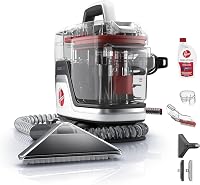
How to Choose an Upholstery Cleaner Machine
Choose an upholstery cleaner machine by fabric compatibility, tool fit and the size of your usual cleaning job. Pick a portable for furniture, stairs and cars, or an upright with an upholstery attachment when you also need to wash larger carpeted areas.
On this page (10 sections)
- What should an upholstery cleaner machine do?
- How do you choose the right machine for your surfaces?
- Which features help with furniture, stairs and cars?
- Which upholstery cleaner machines fit different needs?
- How do you check upholstery before wet cleaning?
- How should you set up and use the machine?
- Which mistakes cause poor results?
- How do you clean and store the machine afterward?
- What should you compare before buying?
- Which upholstery cleaner machine should you choose?
Choose an upholstery cleaner machine by fabric compatibility and your main cleaning job. A portable spot cleaner fits furniture, stairs and car seats; an upright with an upholstery attachment makes sense when carpeted floors also need regular cleaning.
Start with the furniture care label before comparing machines. A cleaner that suits your storage space and comes with useful tools still needs a water-compatible surface and an approved cleaning solution.
If furniture is your main concern, explore our portable spot cleaners. For a broader view of where these machines help, see our guide to upholstery, stairs and car cleaners.
What should an upholstery cleaner machine do?
An upholstery cleaner machine should apply solution and recover dirty water from suitable fabric. Its hand tool needs to sit against the surface so you can work without flooding cushions or struggling around seams.
Most portable spot cleaners serve a different purpose from a vacuum: they wash small areas rather than collect everyday dry debris. Vacuum crumbs, dust and loose hair first so wet cleaning starts with less material in the fabric.
These machines also differ from steam cleaners. Do not assume a spot cleaner heats water, produces steam or sanitizes upholstery unless its instructions specifically support those functions.
Extraction helps remove moisture, but cushions still need time to dry. Treat the machine as part of a cleaning process that includes preparation, controlled wetting and airflow afterward.
For sofa-specific limits, read whether you can use a carpet cleaner on a couch before choosing a model.
How do you choose the right machine for your surfaces?
Choose around your most frequent job, then check that the machine can handle your awkward spaces. Occasional plans to wash a whole room should not outweigh weekly use on chairs or car seats.
| Main cleaning job | Prioritize | Check before buying |
|---|---|---|
| Sofa cushions and arms | A portable body and a tool that sits flat | Fabric care instructions and drying space |
| Dining chairs | Easy setup for several small surfaces | Tool fit around narrow seats and edges |
| Stairs | Carrying comfort and hose reach | A stable place for the machine |
| Car interiors | Crevice access and manageable attachments | Outlet access and room beside the vehicle |
| Repeated pet accidents | A pet attachment and suitable formula | Whether moisture has reached padding |
| Upholstery plus carpeted rooms | An upright with upholstery tools | Storage space and carrying weight |
For a sofa, consider the arms and back as well as the seat cushions. A wide attachment suits open sections, but rounded edges and narrow panels may need a smaller tool.
For stairs, plan where the machine will stand while you work. Never balance it on a narrow tread or stretch the hose until the body tips.
In a car, access matters as much as attachment choice. Check that you can reach seats and footwells without pulling the hose across sharp trim or leaving the machine in a walkway.
Which upholstery cleaner machine tools matter?
Choose upholstery cleaner machine tools by surface shape, rather than the number of attachments. A wide head, a smaller stain tool and a crevice tool solve different access problems.
A broad tool reduces the number of passes across flat areas. On narrow chair seats or curved arms, a smaller head can be easier to keep in contact with the fabric.
Crevice tools help around gaps and edges, but they do not make inaccessible padding cleanable. Avoid pushing liquid deep into seams where you cannot recover it.
A pet attachment is useful when accidents are part of your routine. It still needs a suitable formula and a fabric that permits wet cleaning.
How much tank capacity do you need?
Choose capacity for one normal cleaning session, rather than the largest tank available. Several chairs or a sofa refresh call for more solution than a single spill.
Compare like-for-like figures: clean-solution capacity, dirty-water capacity and an unspecified tank capacity are different measurements. A larger number should not decide the purchase by itself.
Consider the sink you will use, too. Refilling is less awkward when the tank fits beneath the faucet and you have a clear place to empty dirty water.
Which features help with furniture, stairs and cars?
Reach, carrying weight and cleanup access make a machine easier to use repeatedly. Look beyond the attachments to how you will move, fill, empty and store it.
Check hose and cord lengths in the manual before buying if your outlet sits far from the job. A portable body does not guarantee enough reach for a staircase or a parked car.
Published machine weight does not include the water you add. Think about the filled load if you will carry the cleaner between floors, and follow the manual's transport instructions.
Measure your shelf or closet with room for the hose and attachments. Also plan a separate spot where rinsed parts can dry before everything goes back into storage.
A hose rinse tool helps flush residue from the system. It does not replace emptying the dirty-water tank or cleaning trapped hair and debris from the nozzle.
Which upholstery cleaner machines fit different needs?
Choose the Hoover CleanSlate XL for longer portable sessions, the CleanSlate Plus for routine spot jobs, the Shark StainStriker for a lighter body with pet tools, or the CarpetXpert for upholstery and carpeted floors.
These choices address different routines. Start with the work you do most often, then use the trade-offs below to rule out the wrong format.
Hoover CleanSlate XL: for several seats in one session
The CleanSlate XL suits households that clean several furniture sections before putting the machine away. Its broad and narrow attachments cover open upholstery and tight gaps, with a separate tool for pet messes.
The larger tank is useful when stopping to refill would interrupt a longer job. Its hose rinse tool also gives you a way to flush residual dirt after cleaning.
At 11 lb, the machine itself adds a noticeable load before water goes in. Consider the route from storage to sink to furniture, especially if that route includes stairs.
Choose it for repeated multi-seat cleanup or a mix of furniture and pet messes. Skip it if most jobs are tiny spills and carrying less weight matters more than tank size.
It remains a spot cleaner. Washing an entire carpeted room with a hand tool would mean a lot of repeated passes.
Hoover CleanSlate Plus: for routine spills and smaller jobs
The CleanSlate Plus fits targeted cleaning when you want tools for open areas and crevices without choosing the heavier XL. Its 40 fl oz clean-solution capacity serves as a useful reference for planning refill stops.
Clean and dirty water stay separate in its dual-tank system. At 9.4 lb, it also weighs less than the XL, which matters when the machine travels between rooms.
Choose it for occasional chair spills, sofa spots and smaller sections of carpet. The hose rinse tool supports cleanup afterward, so include that step when judging the effort of each job.
Skip it if you regularly wash several large furniture sections and strongly dislike refilling. The XL's extra capacity is more relevant to that routine.
For pet-focused shopping, note the attachment difference: the XL includes a dedicated Pet Tool. The Plus makes more sense when its wide and tight-space tools cover your usual work.
Shark StainStriker PX202BRN: for pet cleanup across rooms
The StainStriker suits buyers who move between furniture, car interiors and pet accidents. Its attachment set includes a crevice tool, stain tools and a Pet Mess Extractor.
At 8.5 lb, it is the lightest machine in this group before filling. That makes it the first option to consider when carrying weight is your main constraint.
Shark's system combines two formulas on contact. Shark says it targets stains and odors when used as directed with its cleaning solution, so include the formula routine in your buying decision.
Choose it if you want a lighter portable body with several attachments for different messes. Its 15 in height is worth measuring against a fixed shelf before you settle on it.
Skip it if you prefer a simpler solution routine or need an upright for floor cleaning. A portable body and several tools still leave broad carpeted areas as a hand-tool job.
Shark CarpetXpert EX201: for upholstery plus carpeted floors
The CarpetXpert fits homes where upholstery is only one part of the cleaning workload. Upright mode handles carpets and area rugs, while its built-in spot-cleaning setup reaches furniture and other smaller areas.
Its carpet system combines a brushroll, spray and suction. Separate tanks keep clean water and formula apart from recovered dirty water.
Choose it if you regularly clean carpeted rooms and want upholstery capability in the same machine. That floor-cleaning role is the main reason to accept its larger format.
At 18.1 lb and 43.5 in tall, it needs more carrying effort and storage height than the portable choices. Plan where it will stand while you use the upholstery attachment.
Skip it for a home where cleaning mainly means one sofa, a few chairs or car seats. A portable will be easier to bring to those jobs without an upright body alongside you.
For more model comparisons, see our best upholstery cleaner machines. Our portable carpet cleaner guide explains the portable format in more detail.
How do you check upholstery before wet cleaning?
Confirm both fabric and construction compatibility before adding water. The care label gives a starting point, but furniture instructions may place further limits on extraction.
Common care codes mean:
- W: Water-based cleaning products are permitted, subject to the furniture's directions.
- S: Use the specified solvent-based method rather than a water extractor.
- W/S: Water-based or solvent-based products may be allowed, with care instructions still controlling the method.
- X: Vacuum or brush as directed; do not wet-clean with these machines.
A W or W/S code does not automatically approve soaking, every formula or every machine method. If the label is missing or unclear, ask the furniture maker before proceeding.
Check a hidden area with the permitted method and let it dry fully. Look for color transfer, rings, texture changes or distortion before cleaning a visible section.
Removable covers need their own care instructions. A zipper alone does not mean a cover is machine-washable or safe to clean separately.
How should you set up and use the machine?
Prepare the surface, measure the formula and control moisture from the first pass. Careful setup prevents unnecessary scrubbing and repeated wetting later.
- Vacuum first. Remove crumbs, dust and loose hair, including debris along seams.
- Remove fresh solids gently. Lift material away rather than rubbing it deeper, then blot liquid with a clean cloth.
- Protect the work area. Move nearby items and keep the machine on a stable surface suited to its use.
- Fill as directed. Follow the manual's water-temperature limits, fill marks and formula measurements.
- Attach the correct tool. Confirm that tanks, caps and hose connections are seated before starting.
- Work in small sections. Apply solution only as instructed and keep the tool in contact with the fabric.
- Recover moisture. Use suction-only passes where the machine instructions allow them, releasing the spray trigger first.
- Leave time to dry. Keep people and pets off damp upholstery and arrange airflow around cleaned sections.
Use a machine-compatible formula that also suits the fabric. Dish soap, laundry detergent and improvised mixtures can create excess foam or leave residue; our guide to carpet cleaner solutions explains what to check.
Avoid spraying each time you move the tool. Once an area is wet, the next useful step may be moisture recovery rather than more solution.
Do not promise yourself a fixed drying window. Padding depth, water applied, airflow and room conditions all affect when the furniture will be ready to use.
Which mistakes cause poor results?
Overwetting, excess detergent and repeated scrubbing create avoidable problems. More effort helps only when it follows the fabric and machine instructions.
Adding more formula for a stubborn spot
Stronger mixtures can leave residue and increase foaming. Use the measured dose and any permitted pretreatment time rather than adding extra detergent.
Never mix cleaning chemicals. A stain that remains after the approved process needs reassessment, not an improvised stronger blend.
Repeatedly soaking cushion edges and seams
Seams can let moisture reach padding that is harder to extract. Keep application controlled and stop if the surface stays wet despite recovery passes.
For old pet accidents, odor may extend below the visible fabric. Repeated surface washing can add moisture without reaching the full source.
Scrubbing harder when the fabric changes
Brushing can disturb pile or damage delicate surfaces. Stop if you see fuzzing, color transfer or a change in texture rather than trying to work through it.
Cleaning more furniture than you can dry
Several damp cushions need space and airflow at the same time. Clean a manageable amount so pieces do not end up stacked wet or returned to use too soon.
How do you clean and store the machine afterward?
Empty, rinse and dry the wet parts after each session according to the manual. Leaving dirty water or damp debris inside makes the next cleanup harder.
Empty the recovery tank at the indicated limit during use, then again when finished. Remove hair and debris from accessible tool openings without forcing parts that are not designed to come apart.
Use the hose rinse tool where one is supplied, following its directions. Wash removable parts only as allowed, and keep water away from the motor housing and electrical connections.
Let tanks, tools and other washable parts dry before storage. Coil the hose without sharp bends and store formulas upright with their caps secured.
Include this cleanup time in the buying decision. For a small spill, filling and rinsing can take as much attention as the spot itself.
What should you compare before buying?
Compare the whole job from cupboard to cleanup, rather than choosing by one headline feature. The right machine should fit your fabric, carrying route and normal session size.
Before ordering, confirm these points:
- Fabric approval: Wet extraction and the chosen solution are permitted.
- Tool fit: Attachments suit your broad surfaces, narrow panels and gaps.
- Reach: The hose and cord work with your outlet locations.
- Filled handling: You can move the machine safely with water aboard.
- Tank access: Filling and emptying fit your sink and routine.
- Storage: The body, hose and tools fit the available space.
- Maintenance: You have somewhere to rinse and dry removable parts.
If whole-room carpet washing is becoming the main task, compare our best carpet cleaners for home use. The portable vs upright carpet cleaner guide helps settle the format choice.
Which upholstery cleaner machine should you choose?
Pick the upholstery cleaner machine that fits your usual workload: CleanSlate Plus for routine spots, CleanSlate XL for longer portable sessions, or StainStriker when a lighter body and pet attachments lead your priorities.
Choose CarpetXpert when regular carpet washing justifies an upright alongside its upholstery tools. For a furniture-only routine, favor the portable you can comfortably carry, empty and store.
Before ordering, check the furniture label and measure your storage space. Then use our upholstery and car cleaner guide to match the machine's tools to the places you'll clean.
Frequently asked questions
What type of machine is best for upholstery?
A portable spot cleaner is the best starting point when furniture is your main job. Choose tools that fit cushions, arms and seams, then check carrying weight and storage space.
An upright with an upholstery attachment makes more sense if you also need to wash larger carpeted areas.
Can I use an upholstery cleaner machine on any fabric?
No. Some upholstery needs solvent cleaning or vacuuming only, and even water-compatible fabric may have limits on wet extraction.
Check the furniture label, machine manual and solution directions together. If all allow the method, check a hidden area and let it dry before cleaning a visible section.
Is a larger tank always better in an upholstery cleaner?
No. A larger tank helps when you clean several cushions or chairs in one session, but water adds carrying weight.
For small spills, easy setup and emptying can matter more. Compare clean-solution capacity with clean-solution capacity, since a general tank figure may describe something different.
Should I get a portable or upright upholstery cleaner?
Choose a portable cleaner when furniture, stairs or car interiors make up most of your work. Choose an upright with an upholstery attachment when larger carpeted floors also need regular cleaning.
Consider where the machine will stand during use, how far you'll carry it and where it will dry afterward.
What should I check before cleaning a sofa?
Start with the care label and confirm that both the cleaning method and solution suit the fabric. Check a hidden area and let it dry fully before proceeding.
Vacuum loose debris, protect nearby surfaces and plan enough drying time so nobody needs to sit on damp cushions.