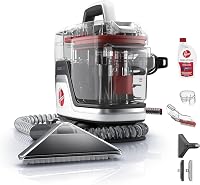
How to Clean a Bissell Little Green After Use
To clean a Bissell Little Green after use, empty the dirty-water tank, clear debris, and rinse the tanks, hose, and tool using your model's care steps. Dry removable parts as directed before storage.
On this page (9 sections)
- How do you clean a Bissell Little Green after use?
- How do you empty and rinse the tanks?
- How do you rinse the Little Green hose and tool?
- How should you dry and store the machine?
- What if the hose or tool still has residue or smells?
- Which cleaning solution should you use?
- Which Little Green suits your cleaning and storage routine?
- What should you do before cleaning fabric?
- What is the simplest Bissell Little Green cleanup routine?
To clean a Bissell Little Green after use, empty the dirty-water tank, remove accessible debris, and rinse the tanks, hose, and tool using your model's care steps. Dry removable parts as directed before putting the machine away.
The job isn't finished when the carpet looks clean. Dirty water, pet hair, and damp residue can remain in the recovery path, so leave time for cleanup before starting another task.
How do you clean a Bissell Little Green after use?
Build each cleanup around emptying, rinsing, clearing debris, and drying. The order of hose cleaning and tank removal can vary, so use the instructions for your exact model.
Keep those instructions nearby until the routine feels familiar. A hose-rinse step may require power, while removing parts and wiping the machine call for it to be off and unplugged.
Bissell Little Green cleaning steps after a job
- Switch off and unplug before removing tanks or handling detachable parts.
- Empty the dirty-water tank, following the directions for opening it.
- Handle unused clean water or mixed solution according to the manual and formula instructions.
- Rinse approved washable tank parts and clear accessible hair or grit.
- Follow the model's hose and tool cleanout steps, reconnecting power only when required.
- Switch off and unplug again, then empty any dirty water collected during that rinse.
- Dry and reassemble the parts as directed before storage.
Don't fill the machine with an improvised maintenance mixture. Cleaning solution for carpet and a rinse procedure for the machine serve different purposes.
How do you empty and rinse the tanks?
Empty collected dirty water after each session, including water drawn through during hose cleanup. Leaving that final rinse water behind defeats part of the cleanup.
Carry the tank upright and open it over a suitable drain or basin. Follow the formula's disposal directions and local wastewater rules, and keep dirty water away from food preparation surfaces.
Rinse the tank and removable lids only as the manual allows. A soft cloth can help clear accessible residue without scraping the plastic.
Check tank openings and seals for hair, grit, or a folded edge before reassembly. A seal needs a clean contact surface, so don't force the tank into place if it sits unevenly.
Treat the clean-water tank separately. Follow its storage directions for unused solution, and don't pour recovered dirty water into it to save a trip to the sink.
How do you rinse the Little Green hose and tool?
Use the cleaning attachment supplied for your model, rather than borrowing steps from a different Little Green. Tool design matters during both rinsing and disassembly.
The Mini and 1400B include HydroRinse self-cleaning hose tools. The Mini also has a 4-inch Tough Stain Tool with a removable lens, while the 1400B includes a 3-inch Tough Stain Tool.
Remove accessible hair with the machine off and unplugged. On a tool with a removable lens, open it only as directed so you can clear residue without damaging its clips.
Don't push wire, scissors, or other sharp objects into the hose. If the approved rinse doesn't clear it, use the troubleshooting steps before attempting further disassembly.
Keep the tool-cleaning instructions distinct from the fabric-cleaning steps. Our guide to how to use a Bissell Little Green covers the cleaning session that comes before this routine.
How should you dry and store the machine?
Dry cleaned parts as directed before closing the machine up for storage. A dry exterior doesn't mean the inside of a tank or tool is dry.
Set washable parts in a stable place with airflow, using the position your manual recommends. Keep them away from children, pets, and surfaces that could be damaged by drips.
Don't use a hair dryer, heater, or dishwasher unless the care instructions expressly allow it. Wipe the housing as directed, keep water away from electrical connections, and never immerse the machine.
Store the hose without tight bends or pinching, and avoid trapping the cord under the cleaner. Leave enough space to remove the machine without pulling on either one.
The Bissell Little Green Mini measures 10 inches deep, 13.5 inches wide, and 12.13 inches high. Measure your shelf opening and allow room for its stored attachments before choosing a cabinet.
What if the hose or tool still has residue or smells?
Look for leftover debris and trapped moisture first, then follow the troubleshooting guidance if the problem remains. Adding fragrance doesn't remove the source of an odor.
With power disconnected, inspect accessible tool openings, removable parts, and tank seals. Clear visible hair gently, then repeat the approved rinse if needed.
The Max Pet has a one-touch hose and tool cleanout that rinses residue without switching attachments. That feature suits frequent pet cleanup, where caring for the recovery path is a repeated part of the job.
Stop using the cleaner if you notice a damaged hose, a leaking tank, or an electrical problem. Check the manual's service guidance instead of forcing a stuck part or continuing to run it.
If the machine is clean but a mark remains on the carpet, treat that as a separate stain problem. See how to spot clean carpet stains at home before repeatedly wetting the same patch.
Which cleaning solution should you use?
Use a formula approved for your machine and follow its dilution directions. Extra detergent can leave residue and create more work during extraction and cleanup.
The Mini includes 8 oz. of Little Green Formula, and the 1400B includes a trial-size formula. The Max Pet includes an 8 oz. trial of PET PRO OXY Spot & Stain with Urine Eliminator and StainProtect Technology.
Don't assume a carpet-cleaning formula belongs in every maintenance step. Use the specified rinse method for the machine, and don't improvise with dish soap, bleach, or mixtures of household cleaners.
Read what you can put in a Bissell Little Green before replacing the included formula. Check the bottle each time you change products because mixing directions can differ.
Which Little Green suits your cleaning and storage routine?
Choose around job size, carrying needs, and cleanup frequency. All 3 are corded portable cleaners, so plan access to an outlet as well as a place to rinse and dry parts.
Choose the Mini for occasional spills and limited storage
The Mini weighs 7 pounds and has a 16 oz. capacity. It suits someone who wants a machine for small carpet spots, upholstery messes, or car interiors and needs to carry it between storage and the spill.
Skip it if you usually clean several areas in one session and want fewer filling breaks. Compact storage is useful, but a small tank is a tradeoff when the job grows.
Choose the 1400B for several spots per session
The 1400B's 48 oz. clean-water tank makes it the practical choice here for moving between several spills without refilling as often. It weighs 9.7 pounds, so consider the full carry from your storage space to the cleaning area.
Skip it if minimizing carrying weight matters more than tank size. A larger supply of solution also doesn't turn a spot cleaner into a practical whole-room machine.
Choose the Max Pet for frequent pet messes
The Max Pet weighs 8.2 pounds and includes a Specialized Pet Hair Removal Tool alongside its self-cleaning stain tool. Choose it when pet messes make tool care a frequent chore and you want fewer attachment changes during cleanup.
Skip it if your main need is a few occasional drink spills and the other models fit your space better. For a closer look at its features, see the Bissell Little Green Max Pet review.
If your usual job covers an entire room, compare portable versus upright carpet cleaners before buying. The amount of floor you need to cover matters more than any single attachment.
What should you do before cleaning fabric?
Check that the fabric allows water-based machine cleaning, then follow its care label and the cleaner's instructions. A portable extractor isn't suitable for every upholstered surface.
Remove loose dirt and hair before adding moisture, and check colorfastness in a hidden area as the fabric care instructions direct. Avoid soaking padding or repeatedly spraying a stain that isn't improving.
Place the cleaner on a stable surface, seat the tanks correctly, and check the hose connection before starting. Keep cords and connections away from wet areas.
Use extraction-only passes as directed to recover moisture instead of adding more solution on every pass. Keep people and pets off the area until it's dry.
For furniture-specific limits, read whether you can use a carpet cleaner on a couch. Our portable spot cleaners guide covers broader machine choices.
What is the simplest Bissell Little Green cleanup routine?
Keep empty, rinse, clear, and dry as your after-use checklist, with your model's instructions setting the exact sequence. Make it part of every session, even when the spill is small.
Pick the Mini for short jobs and compact storage, the 1400B for several spots between refills, or the Max Pet for frequent pet cleanup and its one-touch cleanout. None removes the need to empty dirty water and dry the approved parts.
Before your next job, follow how to use a Bissell Little Green so the amount of solution you apply matches the mess you're cleaning.
Frequently asked questions
How do you clean a Bissell Little Green hose?
Use the hose-cleaning attachment and steps for your model. The Mini and 1400B include a HydroRinse tool, while the Max Pet has a one-touch hose and tool cleanout.
Follow the required water and power steps, then empty the dirty-water tank and complete the drying routine.
Should you rinse the Bissell Little Green after every use?
Yes, make the approved rinse and cleanup routine part of every use. Empty collected dirty water, remove accessible hair, and clean the tanks, hose, and tool as directed.
A small spill still leaves moisture and residue inside, so the size of the job shouldn't decide whether you clean the machine.
Can you leave water in a Bissell Little Green?
Empty dirty water after each job. For unused clean water or mixed solution, follow your model's storage instructions and the formula directions rather than assuming it can stay in the tank.
Before refilling next time, check for residue and make sure the tank and its seals are seated correctly.
How do you keep a Bissell Little Green from smelling?
Remove dirty water and residue promptly, then let cleaned parts dry as directed before storage. Pay attention to hair and debris around accessible tool openings and tank seals.
If odor remains, repeat the approved care routine and check troubleshooting guidance instead of masking it with fragrance or adding household cleaners.