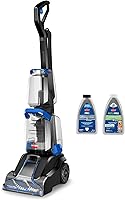
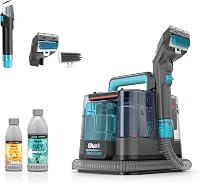
How to Use a Hoover Carpet Cleaner
To use a Hoover carpet cleaner, vacuum first, fill the tanks as your model directs, then make slow cleaning and extraction passes. Use approved solution and tools, avoid soaking the carpet, and rinse the machine after cleaning.
On this page (9 sections)
- How do you use a Hoover carpet cleaner step by step?
- What should you do before cleaning?
- How do you fill a Hoover carpet cleaner?
- How should you move the cleaner over carpet?
- How many cleaning and drying passes should you make?
- How do you clean upholstery or stairs with a Hoover?
- How do you clean the Hoover machine after use?
- What mistakes leave carpet too wet?
- Which Hoover carpet cleaner should you use?
To use a Hoover carpet cleaner, vacuum first, fill the tanks as your model directs, then clean in slow, overlapping passes and extract the moisture. Finish by emptying dirty water, rinsing the machine, and letting the carpet dry fully.
The main difference is the format: an upright washes open floor areas, while a portable uses a handheld tool for spots, stairs, and suitable upholstery. Choose for the work you do most often, then learn that machine's controls.
How do you use a Hoover carpet cleaner step by step?
Prepare, fill, wash, extract, and rinse in that order. Your model's manual supplies the exact water temperature, solution amount, and control sequence.
- Check that the carpet allows wet extraction cleaning.
- Clear the work area and vacuum thoroughly.
- With the machine unplugged, fill and secure its tanks.
- Start farthest from the exit and clean small sections.
- Make the recommended extraction passes without adding unnecessary water.
- Empty and clean the machine, then allow the carpet to dry.
Keep the cord behind your working path and electrical connections dry. Stop if the machine leaks, makes an unusual sound, or loses water pickup.
What should you do before cleaning?
Remove dry debris and confirm the surface can get wet before filling the cleaner. Vacuum slowly, especially along edges and where pet hair collects.
Move small furniture and loose objects so you can work without stopping on damp carpet. Protect any furniture feet that must stay in the room according to the carpet and machine care directions.
Check the approved cleaning method on a hidden patch and let it dry before treating a visible area. Look for color transfer or a change in texture.
Should you pre-treat a carpet stain?
Pre-treat when the stain treatment's directions call for it, using a formula suitable for the carpet and machine. Blot fresh liquid and lift solid debris first; rubbing can spread the mess.
Follow the stated dwell time and don't let treatment dry if its instructions say otherwise. For one small mark, spot cleaning carpet stains at home may be enough.
Pet urine needs attention to the source of the odor as well as the visible patch. Read how to clean pet urine from carpet with a machine before repeatedly wetting the same area.
How do you fill a Hoover carpet cleaner?
Use your model's fill lines and approved formula, since Hoover machines don't all handle solution the same way. Don't guess a dilution ratio or pour solution into the dirty-water tank.
Remove the appropriate tanks while the machine is unplugged. Use the water temperature in the manual, secure the caps, and seat the tanks fully before starting.
Avoid boiling water, extra detergent, and homemade mixtures. More detergent can leave residue and create foam that makes water pickup harder.
Check whether your machine needs a portable spot-cleaner formula or an upright shampoo. Our guide to which carpet cleaner solution works in a machine explains how to choose.
Which Hoover is suited to spot cleaning?
Choose the CleanSlate Plus for occasional spills or the CleanSlate XL for longer spot-cleaning sessions. Both suit targeted work better than washing an entire carpeted room by hand.
The Plus weighs 9.4 lb and has a 40 fl oz clean-solution tank with separate dirty-water storage. Its 7-inch WidePath tool suits broader patches, while the TightSpot tool reaches narrow spaces.
Pick it for scattered spills and a machine you'll carry between rooms. Skip it as your main cleaner for large open floors, where repeated handheld passes become tiring.
The XL weighs 11 lb and suits households that clean several spots in one session. Its larger tank reduces refill interruptions, but water adds carrying weight, so occasional-spill buyers may prefer the Plus.
For storage and handling considerations, see our complete guide to portable carpet cleaners.
How should you move the cleaner over carpet?
Work in slow, slightly overlapping lanes, following your model's wash and extraction controls. Clean a manageable section before moving to the next so you can track where you've already applied solution.
Don't push down hard or keep soaking a stubborn patch. If the stain remains after the approved process, let the area dry and reassess the treatment.
Keep the floor head flat where the design allows so it can collect water. Switch off and unplug the machine before checking a blockage.
How do you use Hoover SmartWash+?
Push SmartWash+ forward to wash and pull back to dry. Its Auto Mix system handles solution mixing, so follow its separate tank-filling directions rather than premixing by habit.
Choose it for regular room cleaning when you want automatic dispensing instead of managing a wash trigger. Its 8 ft hose, Stair Tool, and 2-in-1 Pet Tool also suit households with floor and attachment jobs.
At 18.5 lb before adding water, it's less appealing if you frequently carry a machine upstairs. Skip it if small spills are your main task and a portable would cover them.
Choose PowerDash Pet for smaller carpeted homes where compact storage matters. It weighs 12.5 lb and has a 0.5-gallon capacity, making it a useful alternative for buyers who don't want the heavier SmartWash+.
Skip it if handheld stair or sofa cleaning is your priority; choose around the attachments that job needs. Our Hoover PowerDash Pet review gives more help with that choice.
How many cleaning and drying passes should you make?
Follow the model's pass pattern and favor extraction over repeated wetting once the section has been washed. There isn't one pass count that fits every machine, carpet, and spill.
Use extraction-only passes where the controls allow them. Adding more solution because the carpet still looks damp works against drying.
If pickup weakens, check whether the dirty-water tank needs emptying or a tank is seated poorly. Unplug before inspecting parts, and use the manual's troubleshooting steps rather than continuing to soak the floor.
How do you clean upholstery or stairs with a Hoover?
Use a suitable handheld tool only on surfaces approved for wet cleaning. Upholstery marked S or X generally needs another cleaning method; W or WS still calls for checking the furniture maker's directions.
Apply a small amount of solution and extract it promptly instead of soaking cushions. Work carefully around seams, backing, and padded areas that can hold hidden moisture.
On stairs, keep the machine stable and position it so you don't pull it over with the hose. Never balance an upright floor head on a stair tread to replace a stair attachment.
Our guide to using a Bissell Little Green covers another portable format, though its tank directions and controls differ from Hoover's.
How do you clean the Hoover machine after use?
Empty dirty water promptly, rinse removable parts, and clear trapped debris according to the manual. Leaving a full recovery tank until the next job makes cleanup harder and can lead to odors.
The CleanSlate Plus and XL include a hose rinse tool for flushing residue with fresh water. Follow the powered rinse procedure first, then unplug before removing parts or clearing hair.
Rinse approved tanks and tools, wipe the exterior, and let parts dry before storage. Don't immerse the machine body or store unused diluted solution unless the instructions allow it.
For a comparison of portable cleanup tasks, see how to clean a Bissell Little Green after use.
What mistakes leave carpet too wet?
Repeated wet passes, excess detergent, and poor extraction can leave more moisture behind. Stop adding liquid when the carpet is already wet and check water pickup before continuing.
Use fans to move air across the room, and open windows when outdoor conditions help. Keep people and pets off the area until it feels fully dry.
Hoover says HeatForce helps the PowerDash Pet and SmartWash+ dry carpets faster, but it doesn't replace extraction or airflow. Avoid putting furniture back onto damp carpet.
Read how long carpet takes to dry after cleaning for more detail on moisture, humidity, and ventilation.
Which Hoover carpet cleaner should you use?
Choose by your main job and how much machine you can comfortably carry. Knowing how to use a Hoover carpet cleaner starts with choosing a format you'll use for the right surface.
- CleanSlate Plus: occasional spills, narrow spaces, and carrying between rooms.
- CleanSlate XL: several spot jobs per session and pet-focused tool use.
- PowerDash Pet: smaller carpeted floors and limited storage space.
- SmartWash+: regular room washing with automatic mixing and included attachment options.
If your needs span several formats, start with how to choose a carpet cleaner machine. Then compare the wider options in our guide to carpet cleaners for home use.
Frequently asked questions
Do you vacuum before using a Hoover carpet cleaner?
Yes, vacuum first to remove loose dirt, grit, and hair before wet cleaning. Clear small furniture and check the carpet's care instructions, too.
A carpet washer doesn't replace routine vacuuming, and removing dry debris first keeps you from spreading it through the damp carpet.
What solution should you use in a Hoover carpet cleaner?
Use a Hoover solution approved for your specific machine and follow its fill and dilution directions. Portable and upright formulas aren't automatically interchangeable.
Don't add dish soap, laundry detergent, or household cleaners unless Hoover approves them for that model, since excess foam can interfere with cleaning and extraction.
How many passes should you make with a Hoover carpet cleaner?
Use the cleaning and extraction pattern in your model's manual rather than a fixed pass count for every Hoover. Overlap slightly and move steadily.
If the carpet remains wet, use permitted extraction-only passes instead of adding more solution, and stop to check the machine if water pickup becomes weak.
How long does carpet take to dry after using a Hoover cleaner?
Carpet drying time depends on remaining moisture, carpet thickness, airflow, and humidity, so there isn't one reliable time for every room. Extract water as directed and keep people, pets, and furniture off damp areas.
Our guide to carpet cleaner drying time explains the main factors.